
Jerome Hagenimana, MSW, RSW
Registered Social Worker - Individual, Couples, & Youth
Registered Social Worker — OCSWSSW #843969
Verify on the OCSWSSW register
Couples therapy and marriage counselling to strengthen communication, work through conflict, and rebuild connection, grounded in Emotionally Focused Couple Therapy (EFCT).

Couples therapy is a dedicated space for two people to look honestly at how their relationship works: how you talk to each other, how you argue, how you repair after conflict, and how connected you feel day to day. With a therapist guiding the conversation, each partner gets room to be heard without the discussion collapsing into the same fight you have at home. You don't need to be married, engaged, or even living together: we work with dating couples, common-law partners, newly committed couples, and long-term partners at every stage.
Couples therapy is also not only for relationships in crisis. Many couples come in early, before resentment builds, to strengthen communication, navigate a decision together, or simply understand each other better. Whether you call it couples therapy, couples counselling, or marriage counselling, the work is the same: grounded in Emotionally Focused Couple Therapy (EFCT) and attachment-based approaches, with practical communication skills woven in.

If you're married or in a long-term committed partnership, marriage counselling at Culminate Therapy is this same couples work, focused on partners whose lives are deeply intertwined (shared finances, shared homes, often shared children) and whose conflicts carry the weight of years of history. We offer marriage counselling in Ottawa at our Hintonburg office, and virtually to couples anywhere in Ontario.
Married couples usually arrive in one of two situations: something specific has happened (an affair, a discovered secret, a blow-up that scared you both), or nothing dramatic has happened at all and the distance has crept in gradually. Either way, the work follows the same structured approach, described below.
Most couples wait a long time before reaching out for help, often years after problems first appear. The longer a negative cycle runs, the more entrenched it becomes, so reaching out earlier can make the work shorter and easier. Consider couples therapy or marriage counselling if you recognize any of the following:
None of these mean your relationship is failing. They mean the two of you are stuck in a pattern that's hard to change from the inside, which is exactly what couples therapy is for.
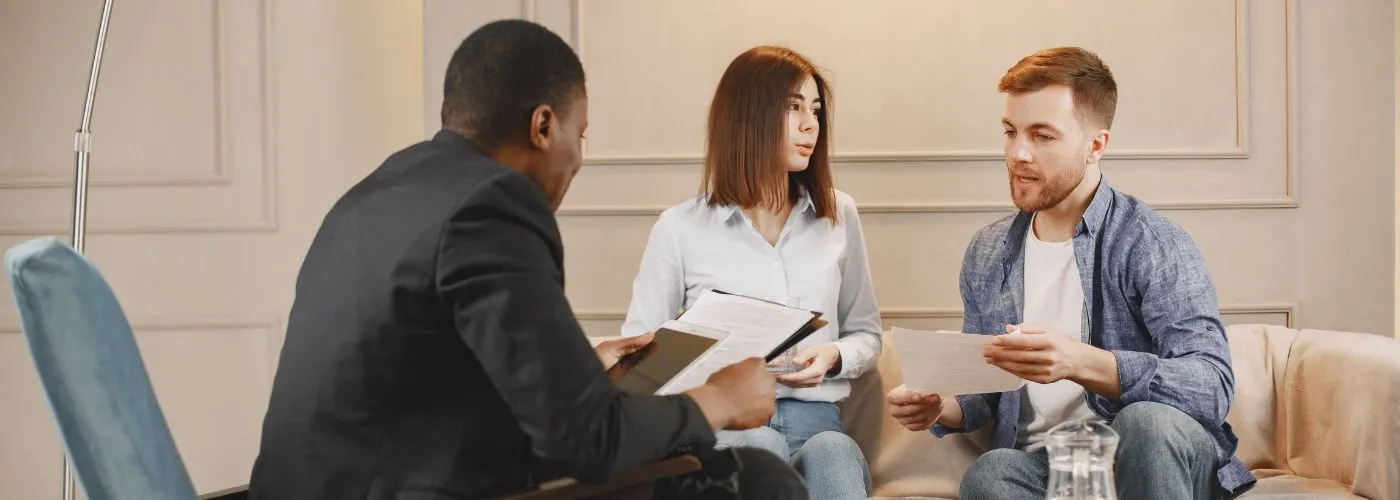
Most couples don't struggle because they lack love: they struggle because of how they respond to each other under stress. Emotionally Focused Couple Therapy, developed by Dr. Sue Johnson, explains why through the lens of attachment. Underneath most gridlocked conflict is a more vulnerable question: "Are you there for me? Do I matter to you?" When that sense of secure connection feels threatened, partners protect themselves, typically by criticizing and pursuing or by shutting down and withdrawing.
The result is often a pursue–withdraw cycle: one partner raises concerns with growing urgency, the other feels criticized and pulls away, and each partner's protection confirms the other's worst fear. Over time, both partners end up feeling alone in the same relationship. EFCT works in three broad stages:
EFCT anchors the work, and your therapist tailors the blend of attachment work and practical skills practice to your relationship.
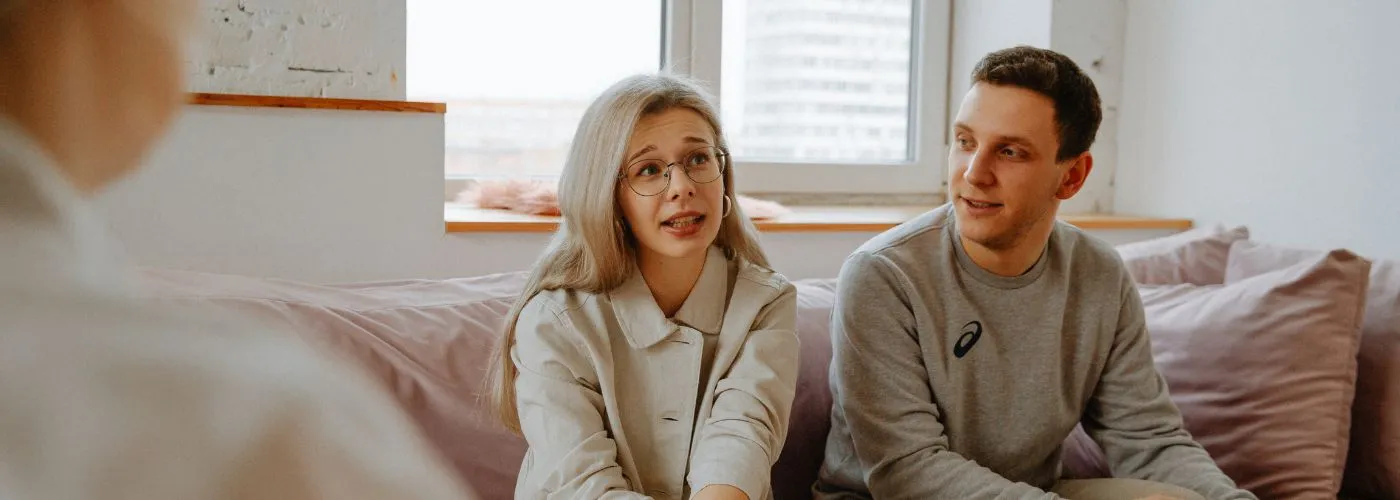
Alongside the deeper attachment work, couples therapy is practical. Sessions focus on the day-to-day mechanics of a shared life: how disagreements start, how they escalate, and how repair happens. Your therapist slows your cycle down so you can both see it as it happens, then helps you practise new ways of responding. The work includes:
Couples therapy isn't only for repairing what's strained: it's also a way to prepare for a major commitment. Pre-marital and pre-commitment counselling give you a structured setting to work through the conversations that are easy to avoid while things are good: moving in together, engagement and marriage, blending finances, how you each handle conflict, expectations around family and children, and the roles you each assume without ever discussing them.
Whether you're planning a wedding or another big step together, the aim is to build communication and conflict skills early, so you enter your next chapter with clearer expectations and a shared language for handling disagreements, before the stakes get higher.

Couples therapy begins with assessment: understanding your history as a couple, how the current pattern developed, and what each of you wants from the work. From there, you'll set shared goals, and sessions become active: you'll practise new ways of talking to each other in the room, with your therapist coaching in real time, then carry those skills into the week between sessions. Your therapist remains neutral (their client is the relationship, not either partner) and both of you will have equal space to speak.
Couples sessions at Culminate Therapy typically run 50–60 minutes, with extended 90-minute sessions available when you need more room to work. Sessions are available in person at our Hintonburg office in Ottawa or virtually anywhere in Ontario. If you're not sure whether couples therapy is the right fit, you can start with a free 20-minute couples consultation to meet a therapist and ask questions before committing to anything.
One honest note: couples therapy works best when both partners are willing to look at their own side of the pattern, not just their partner's. If one of you is uncertain about the relationship itself, say so. That uncertainty can be worked with openly, and naming it early is far more productive than attending sessions while quietly having one foot out the door. Whatever you decide about your future, the aim is that you decide it deliberately, together, with clear eyes.

Couples who engage in the work often experience:
Our therapists are trained to make sure both partners feel safe and respected throughout, and confidentiality is maintained for the couple as a unit.
Our Ottawa therapists are experienced in working with a wide range of concerns and will help determine if this approach is the best fit for your situation. Book a free consultation to discuss your specific needs, in person at our Hintonburg office or virtually anywhere in Ontario.
Every Culminate clinician is registered with their Ontario regulatory college and offers a free 20-minute consultation.
Registered Social Worker - Individual, Couples, & Youth
Registered Social Worker — OCSWSSW #843969
Verify on the OCSWSSW register
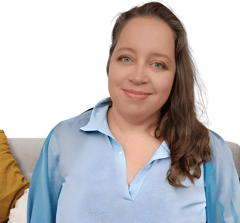
Registered Psychotherapist -- Individual, Couples, Youth
Registered Psychotherapist — CRPO #009327
Verify on the CRPO register
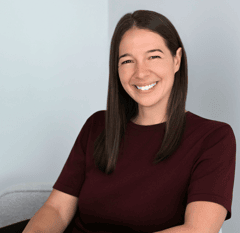
Registered Psychotherapist (Qualifying) | Psychothérapeute autorisé(e) (stagiaire)
Registered Psychotherapist (Qualifying) — CRPO #21723
Verify on the CRPO register
Standard 50–60 minute couples sessions at Culminate Therapy are typically $170–$180 depending on the therapist, with extended 90-minute sessions available at a higher rate. Psychotherapy and counselling services are exempt from GST/HST, so no tax is added.
Many extended health plans cover psychotherapy provided by a Registered Psychotherapist (RP) or Registered Social Worker (MSW, RSW), and many of our therapists offer direct billing to insurers such as Manulife, Canada Life, Sun Life, and Green Shield. Confirm with your insurer that your plan covers your therapist's designation. OHIP does not cover psychotherapy in private practice.
Standard couples sessions are 50–60 minutes. Extended 90-minute sessions are also available when a longer format helps you get further in a single conversation.
Yes. We offer secure virtual couples sessions to partners anywhere in Ontario, as well as in-person sessions at our Hintonburg office in Ottawa. Some couples attend from the same room; others join from separate locations.
It varies with your goals and how long the current patterns have been in place. Your therapist will set goals with you early on and review progress together regularly, so you always know where the work stands.
An attachment-based approach developed by Dr. Sue Johnson. EFCT helps partners recognize the negative cycle they get caught in, voice the softer emotions and needs underneath their reactions, and build new patterns of connection, working through de-escalation, restructuring, and consolidation stages.
At Culminate Therapy, they're the same service. Marriage counselling is couples therapy for married and long-term partners, grounded in the same Emotionally Focused Couple Therapy (EFCT) and attachment-based approaches, with practical communication skills woven in. You don't need to be married, engaged, or living together to start.
Yes. Pre-marital counselling helps you build communication and conflict skills, and work through expectations around finances, family, and roles, before you marry. Pre-commitment counselling offers the same support before other big steps, such as moving in together.
Yes. Ideally both partners attend, but you can begin on your own. Working on your side of the pattern often shifts the dynamic at home, and hesitant partners frequently join later. Your therapist stays neutral throughout: their client is the relationship.
Book a free 20-minute couples consultation. Request it through our consultation page or book directly at culminategroup.janeapp.com. It's a no-pressure way to meet a therapist, ask questions, and see whether the fit feels right for both of you.