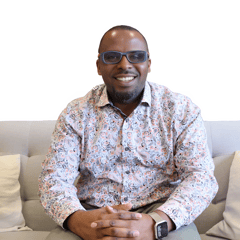
Jerome Hagenimana, MSW, RSW
Registered Social Worker - Individual, Couples, & Youth
Registered Social Worker — OCSWSSW #843969
Verify on the OCSWSSW register
Trauma-focused therapy for post-traumatic stress disorder, helping you process experiences and reduce symptom severity.

Post-Traumatic Stress Disorder (PTSD) is a recognized mental health condition that can develop after experiencing or witnessing an event involving actual or threatened death, serious injury, or sexual violence: a serious accident, an assault, combat, a medical emergency, or repeated exposure to distressing events through work, as many first responders experience. Symptoms sometimes begin soon after the event, but they can also surface months or even years later.
It's important to know that a strong reaction to a terrible event is not a disorder: distress, poor sleep, and intrusive thoughts are common in the first days and weeks and often settle on their own. PTSD describes what happens when those reactions persist, intensify, and start interfering with daily life. This page focuses on the diagnosis and its evidence-based treatments; if your difficult experiences don't fit the criteria below, our broader trauma therapy page describes how we help with the wider range of trauma responses, no diagnosis required.

Clinicians assess PTSD across four groups of symptoms, generally persisting for more than a month and causing meaningful impairment at work, in relationships, or in self-care:
Only a qualified professional can diagnose PTSD: this list is for orientation, not self-diagnosis. If several of these symptoms sound familiar and they've lasted more than a month, a proper assessment is a worthwhile next step. If you are in crisis or thinking about suicide, call or text 9-8-8 (Canada's suicide crisis helpline). Support is available 24/7.

Anyone can develop PTSD: it is not a sign of weakness, and it is not something you can simply will away. It occurs in survivors of accidents, assaults, and abuse; in military members and veterans; and in first responders, healthcare workers, and others repeatedly exposed to traumatic material through their work. Whether PTSD develops after an event depends on many factors, including the nature and duration of the trauma, previous experiences, and the support available afterwards, not on personal strength. When trauma was prolonged or repeated, especially early in life, symptoms can also include deeper difficulties with emotion regulation, self-worth, and relationships; treatment is adapted accordingly.
PTSD is treatable, and several psychotherapies have strong research support. Our therapists draw on the leading trauma-focused approaches:
No single treatment is right for everyone. Your therapist will discuss the options with you, explain what each involves, and choose an approach together based on your symptoms, history, and preferences.
Trauma-focused therapy is demanding work, and it is never rushed. Treatment starts with assessment and stabilization: understanding your symptoms and history, building grounding and coping skills, and making sure you have the resources to manage what comes up. Processing the trauma itself begins only when you're ready, at a pace you control: you can slow down or pause at any point. Sessions are 50 minutes, available in person at our Hintonburg office in Ottawa or virtually across Ontario.

PTSD can convince you that you'll never feel safe again. The evidence (and our experience) says otherwise. Reach out for a free consultation to talk through what treatment could look like for you.
Our Ottawa therapists are experienced in working with a wide range of concerns and will help determine if this approach is the best fit for your situation. Book a free consultation to discuss your specific needs, in person at our Hintonburg office or virtually anywhere in Ontario.
Every Culminate clinician is registered with their Ontario regulatory college and offers a free 20-minute consultation.
Registered Social Worker - Individual, Couples, & Youth
Registered Social Worker — OCSWSSW #843969
Verify on the OCSWSSW register